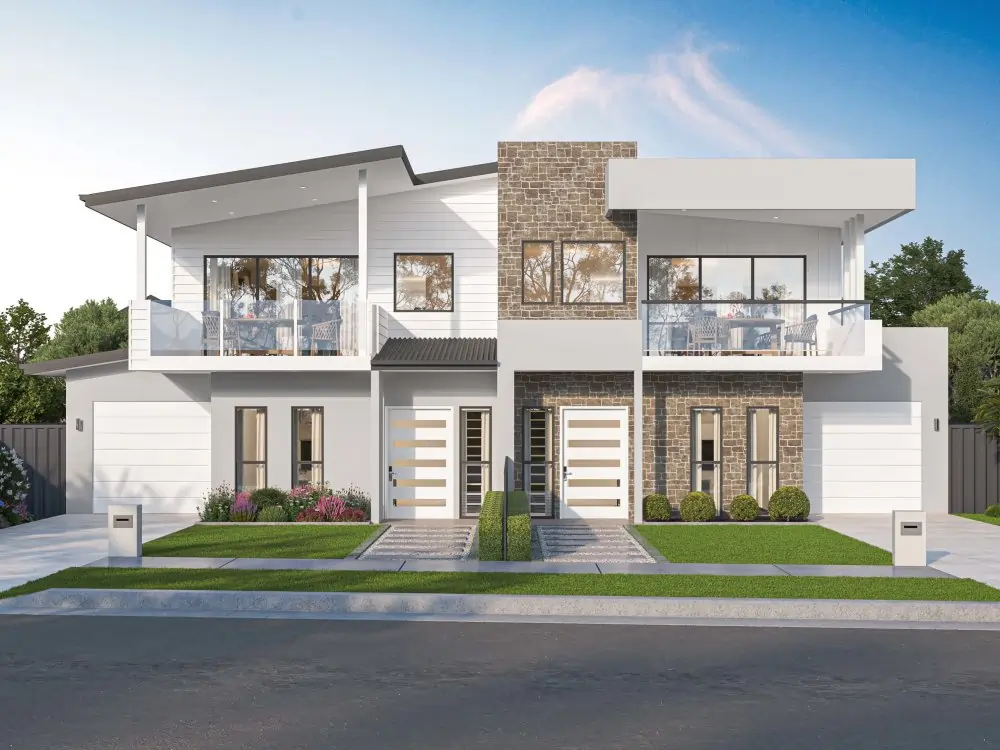
How Long Does Render Last in Melbourne Weather?
When homeowners ask us, “How long does render last in Melbourne?”, the honest answer is that a professionally applied render system can last for many years when the right materials, preparation and maintenance are used. In many Melbourne homes, quality exterior render can last 15 to 25 years or more, depending on the type of render, the condition of the wall, the exposure of the property and how well the surface is looked after over time.
At Viva Rendering Melbourne, we understand that rendering is not just about making a home look modern. It is also about protecting brick, block, concrete, Hebel and other wall surfaces from Melbourne’s changing weather. Our city can experience hot summer sun, cold winter mornings, wind-driven rain, moisture, humidity, temperature movement and sudden weather changes. That is why the quality of the render system matters from the very beginning.
With more than 20 years of industry experience, our team provides residential and commercial rendering services across Melbourne and surrounding suburbs. We work with house rendering, cement rendering, acrylic rendering, acrylic texture coatings, white set solid plastering, polished walls, Hebel rendering and render repairs. We inspect each property carefully before recommending the right finish, because every wall, home and exposure level is different.
For professional advice or an obligation-free quote, contact Viva Rendering Melbourne on 0403 663 377, use our website contact form, or email viva.rendering@yahoo.com.
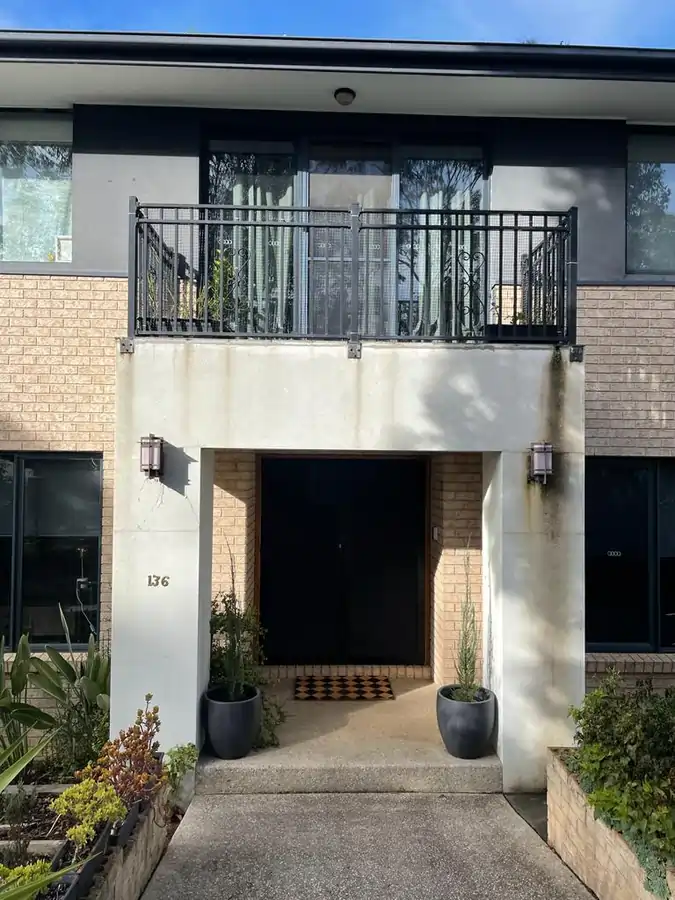
How Long Does Render Last in Melbourne?
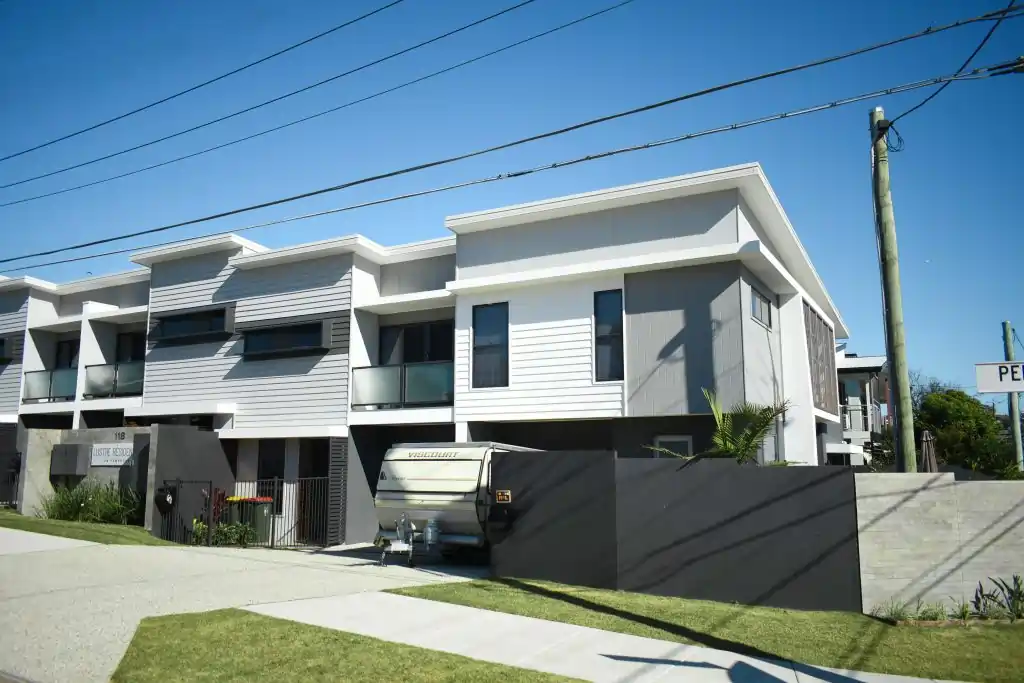
As a general guide, professionally applied exterior render in Melbourne can last:
Cement render: around 10 to 20 years, depending on preparation, wall movement, coating and maintenance.
Acrylic render: around 15 to 25+ years, depending on product quality, application method and exposure.
Textured acrylic coatings: often 15 to 25+ years when applied as part of a proper system.
Render repairs and patching: lifespan depends on the cause of the original damage and whether the repair is properly blended, sealed and finished.
Interior decorative render or polished walls: often lasts much longer because it is not exposed to exterior weather.
These timeframes are only a guide. A poor-quality render job may start showing cracks, drummy patches or water damage within a few years. On the other hand, a properly prepared and professionally applied render system can continue looking strong and attractive for decades with the right care.
The most important factor is not just the render material itself. It is the full system: surface preparation, wall condition, primer, render type, mesh where required, finish coat, weatherproof coating, drainage, expansion control and ongoing maintenance.
At Viva Rendering Melbourne, we do not believe in rushing render work just to make a wall look finished on the day. We focus on long-term durability, clean workmanship and suitable product selection for Melbourne homes and commercial properties.
How Melbourne's Weather Affects Render Longevity
Melbourne is famous for “four seasons in one day”, and that reputation is not just a clever line for tourists. It is a genuine engineering challenge for anyone working on a building’s exterior. Our rendering team takes Melbourne’s climate seriously because we know it is the single biggest factor in how long your render will last.
The Four Climate Stressors That Wear Down Render
1. Extreme Temperature Swings:
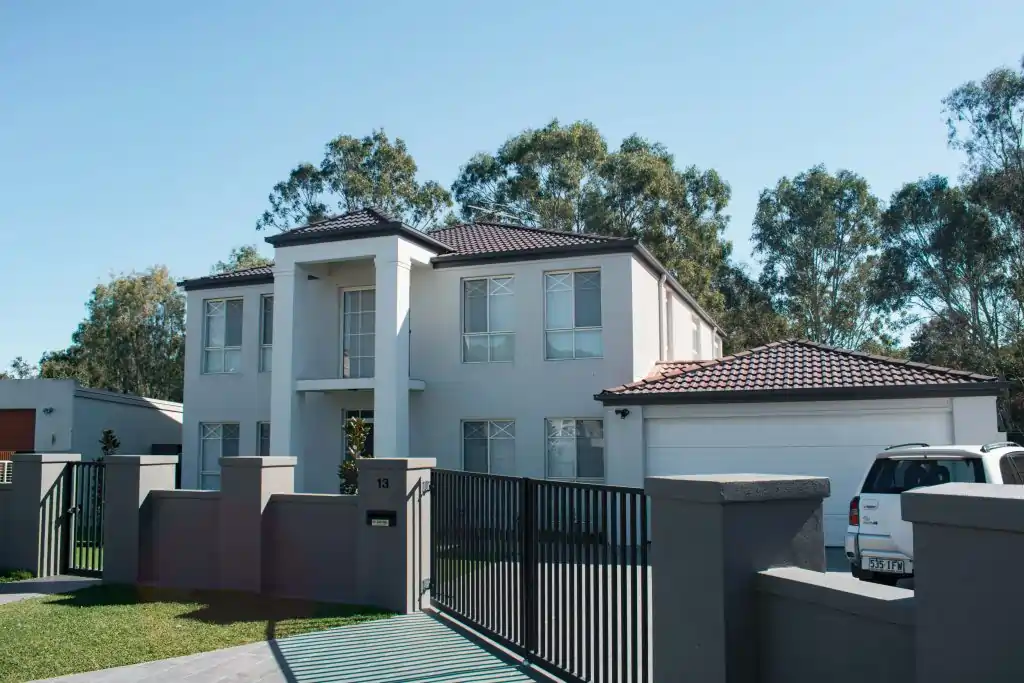
Melbourne can swing from a 40-degree summer scorcher to a 14-degree southerly change within hours. These rapid temperature shifts cause walls to expand and contract repeatedly, putting enormous stress on the render skin. Over years, this thermal movement is the leading cause of hairline cracks in older cement renders, especially on north and west-facing walls that cop the worst of the afternoon sun.
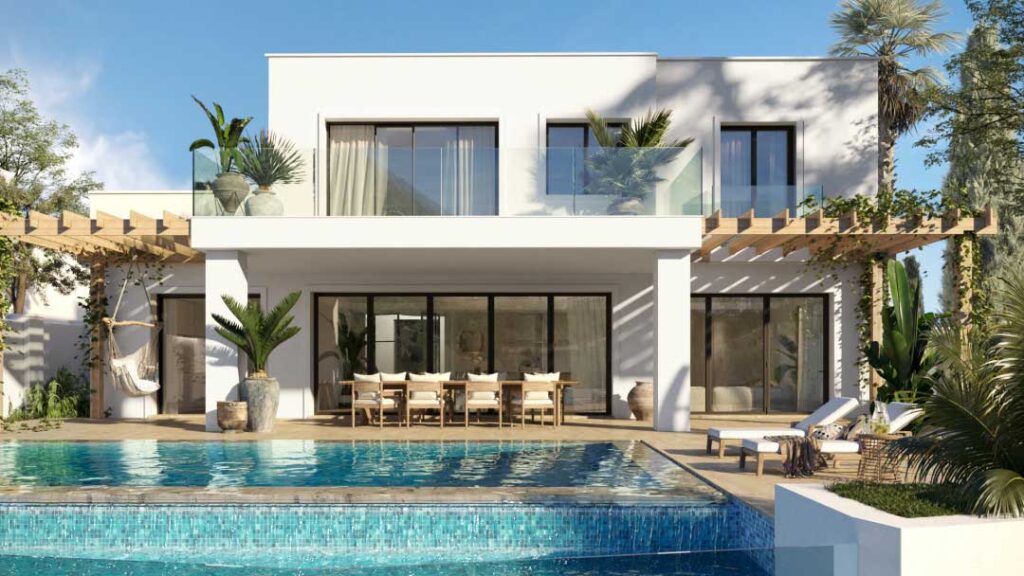
2. Heavy Winter Rainfall and Wind-Driven Moisture:
Between June and August, Melbourne records its wettest months, with rain falling on as many as 17 days a month and southerly winds driving moisture sideways into exterior walls. If your render has hairline cracks or poor sealing around windows, water gets in. Once moisture is trapped behind the render, it freezes overnight, expands, and slowly delaminates the finish from the substrate. This is the most common cause of render failure we see in older Melbourne homes.
3. Intense UV Exposure:
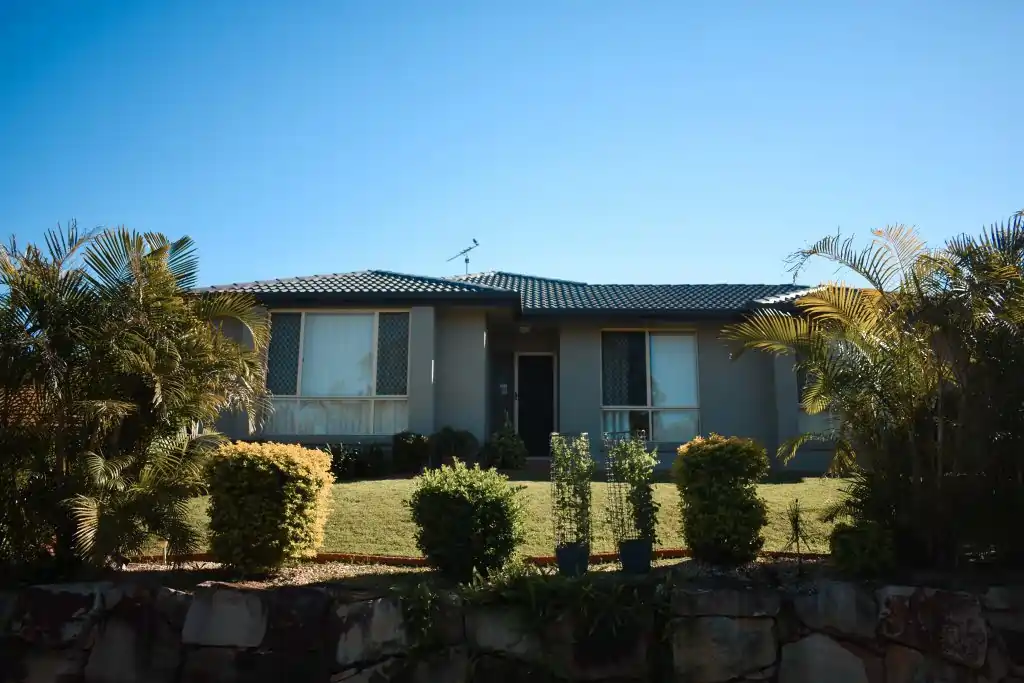
Australia has some of the highest UV levels on the planet. Even though Melbourne is further south than Sydney or Brisbane, the summer UV index regularly hits 11 or 12 (extreme). Strong UV radiation breaks down the binders in lower-quality renders and fades coloured finishes. Acrylic renders with built-in UV stabilisers and quality exterior coatings handle this far better than untreated cement renders.
4. Coastal Salt Air (Bayside Suburbs):
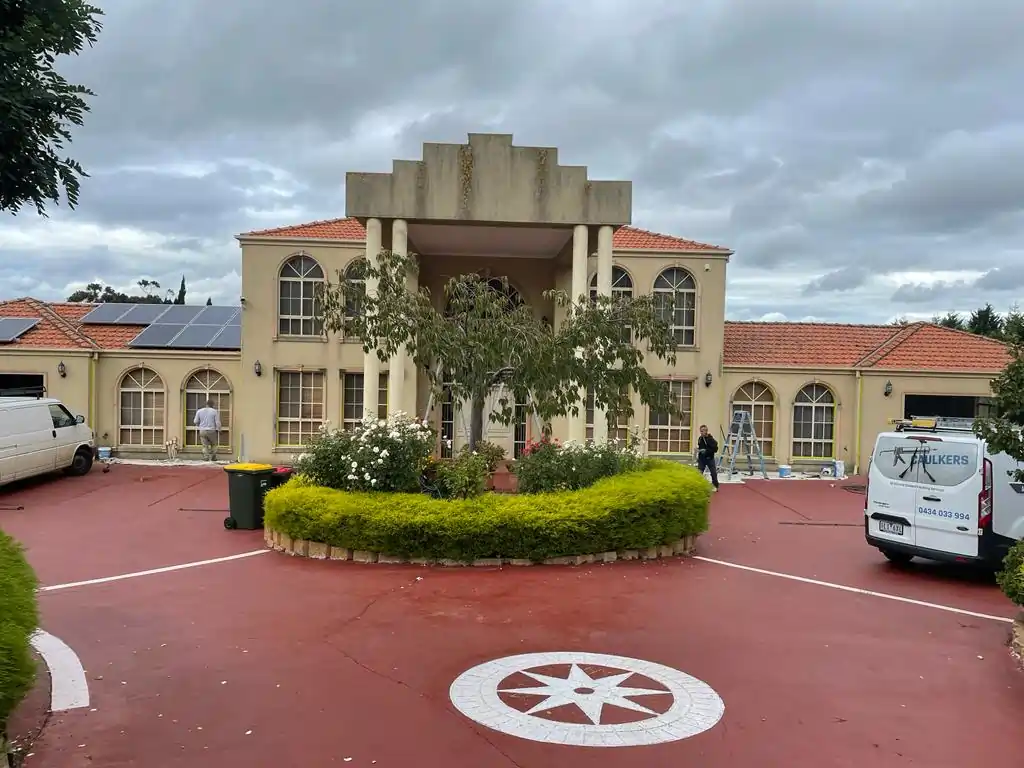
If your property is in Brighton, Sandringham, Mentone, Mordialloc, Williamstown or anywhere along Port Phillip Bay, salt-laden air is constantly attacking your walls. Salt accelerates the breakdown of cementitious materials and corrodes any unprotected metal fixings behind the render. Coastal homes need a render system specifically chosen for marine exposure, and we always recommend a quality flexible acrylic finish for these properties.
When we quote a job, we factor all of these conditions in. A render specified for a sheltered inner-city terrace in Carlton is not the same render we would choose for a beachside home in Frankston or a hilltop property in the Dandenongs.
The 7 Factors That Decide How Long Your Render Actually Lasts
The lifespan figures above assume the work is done properly. In real life, we have inspected 10-year-old renders that look immaculate and 4-year-old renders that are already failing. Here are the seven factors that make the difference.
1. Quality of Surface Preparation
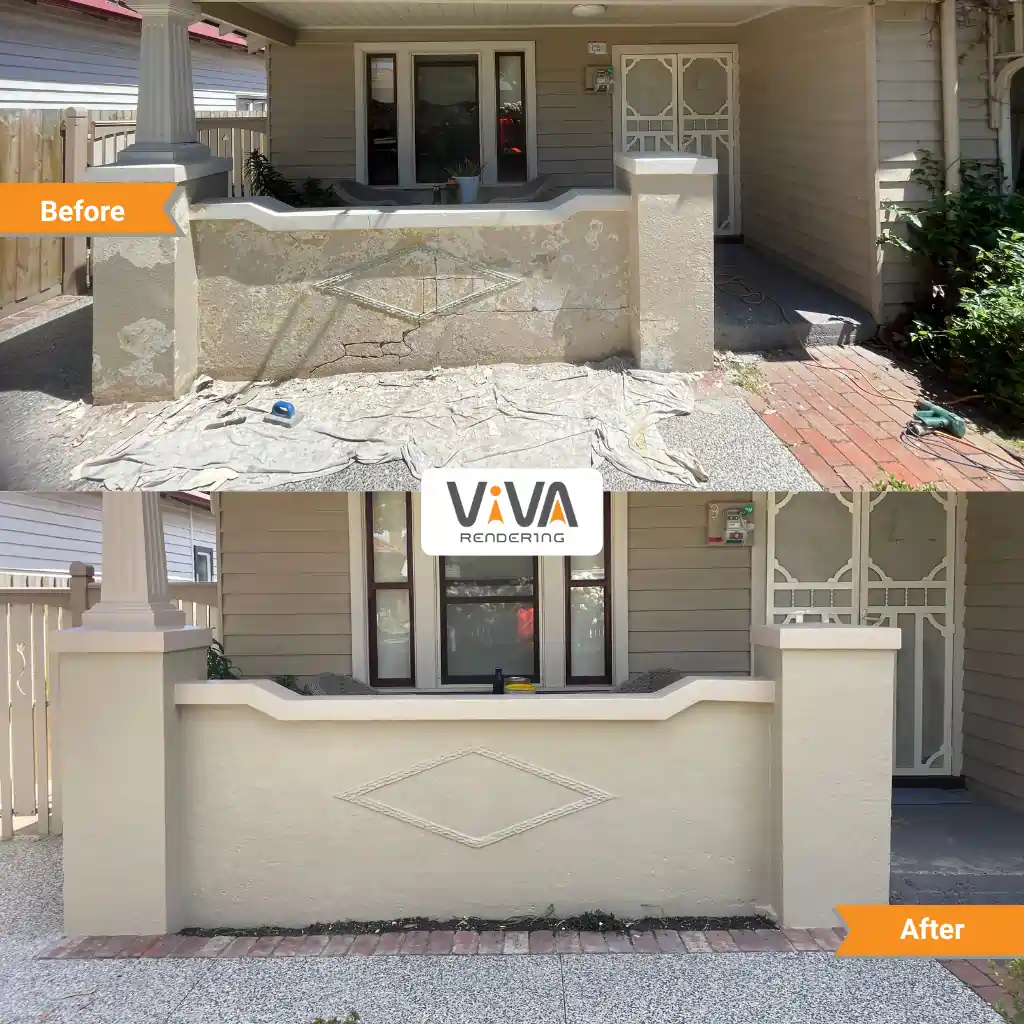
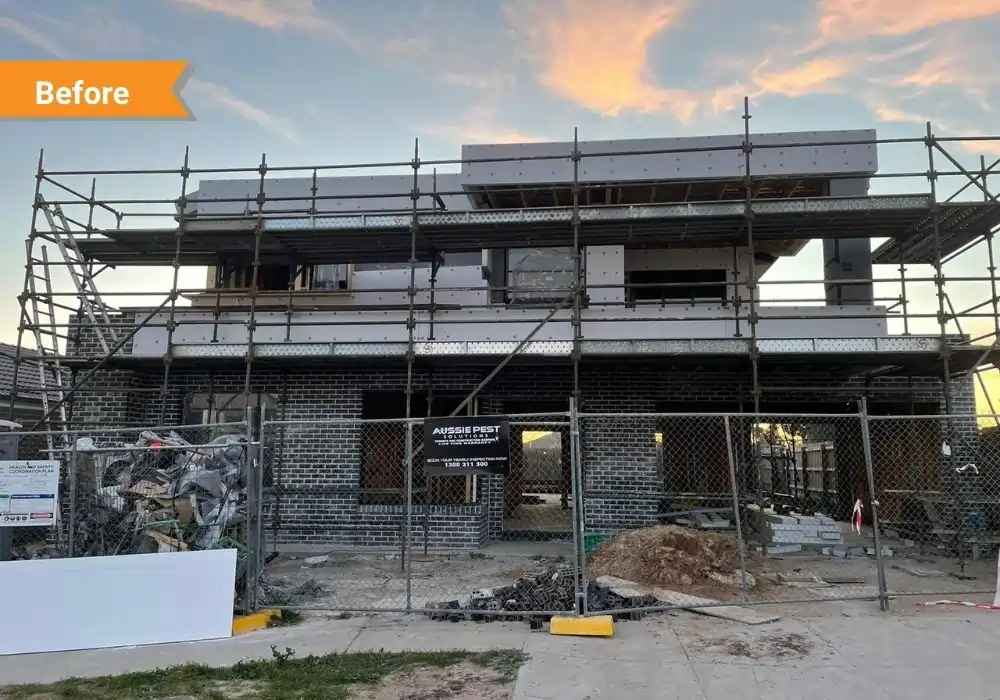
This is the single biggest factor, and it is also the one most commonly skipped by inexperienced or underquoted renderers. Before we apply a single coat, we inspect the substrate, treat any moisture issues, remove loose paint or old render, repair cracks, and apply the appropriate bonding agent. Render applied over a dirty, dusty, painted or oily wall will fail. There are no exceptions to this rule.
2. Choice of Render System for the Substrate
Brick, concrete block, Hebel, fibre cement sheet and existing painted surfaces all need different render systems. Using a generic cement render over a flexible substrate, or applying a rigid system to Hebel, is a guaranteed failure in Melbourne’s climate. We match the system to the substrate every time.
3. Skill and Experience of the Applicator
Render is applied by hand, and skill matters. The thickness of each coat, the timing between coats, the pressure used, the trowel technique and the final finishing pass all affect long-term durability. Twenty years of daily practice is genuinely different to twenty months.
4. Weather Conditions During Application
Render should never be applied in direct hot sun, in driving rain, in temperatures below 5°C, or when frost is forecast overnight. Rushing a job into bad weather is a fast way to ruin it. We schedule applications around Melbourne’s weather, not around impatience.
5. Curing Time
Cement-based renders cure through hydration, not just drying. We protect freshly rendered walls from rapid drying in summer (which causes cracking) and from frost in winter (which weakens the bond). Proper curing in the first 7 to 28 days sets the foundation for the next 30 years.
6. Quality of Protective Coatings
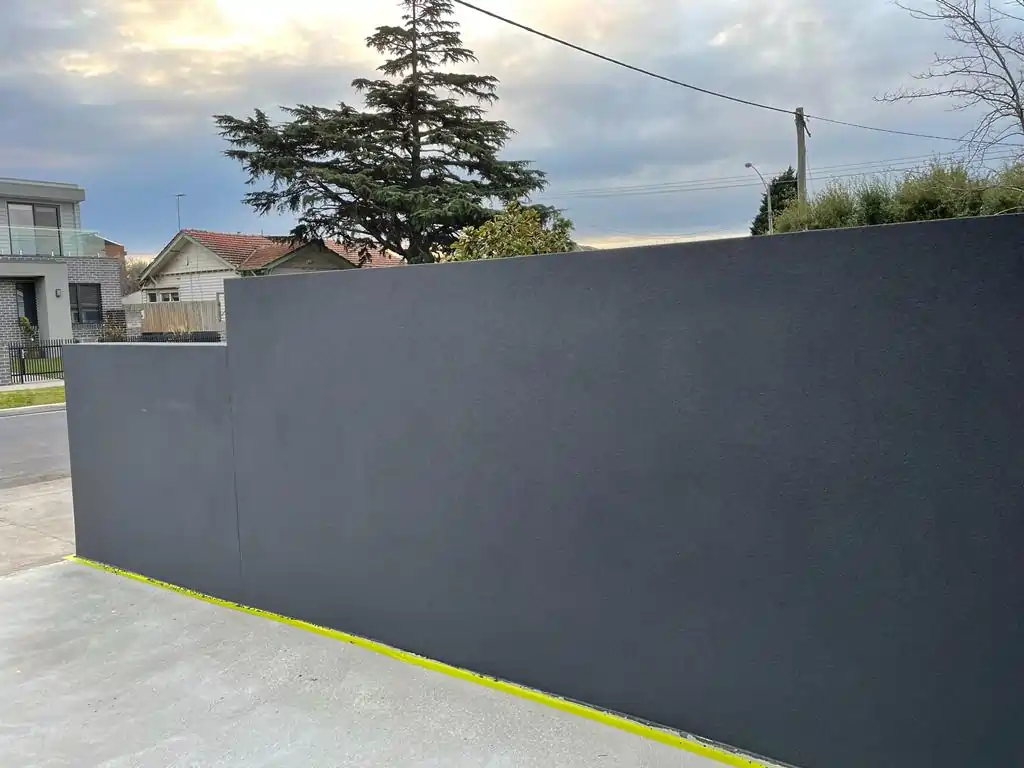
A render finished with a premium membrane coating will outlive a render finished with budget paint by a decade or more. We always recommend quality elastomeric or breathable acrylic membranes that flex with the wall and shed water without trapping moisture.
- Ongoing Maintenance
Even the best render benefits from a wash-down once a year, prompt repair of any hairline cracks, and a fresh protective coat every 8 to 15 years. Maintenance is cheap; full re-rendering is expensive.
Signs Your Render May Be Near the End of Its Life
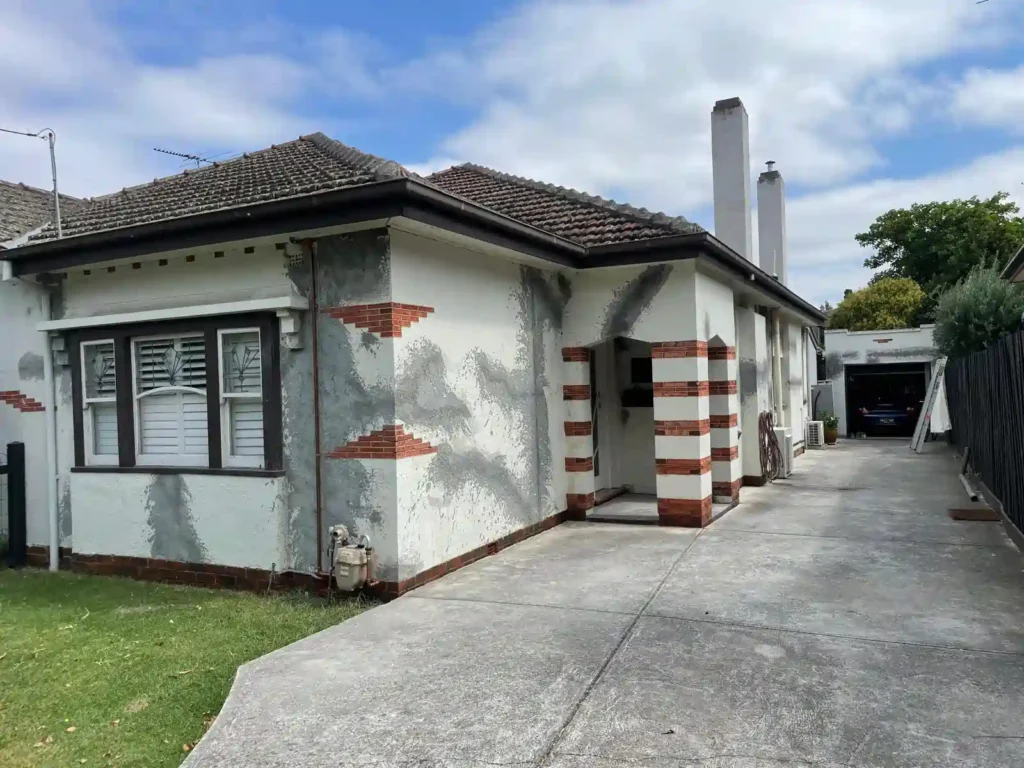
Render does not usually fail overnight. Most problems develop gradually. If you know what to look for, you can often repair small issues before they become major damage.
Common warning signs include:
Hairline Cracks
Small cracks are common in older render, especially where walls move. Hairline cracks may seem minor, but they can allow moisture to enter if left untreated.
Larger Cracks
Wider cracks may suggest stronger movement, poor preparation, water damage or structural issues. These should be inspected professionally.
Hollow or Drummy Sounds
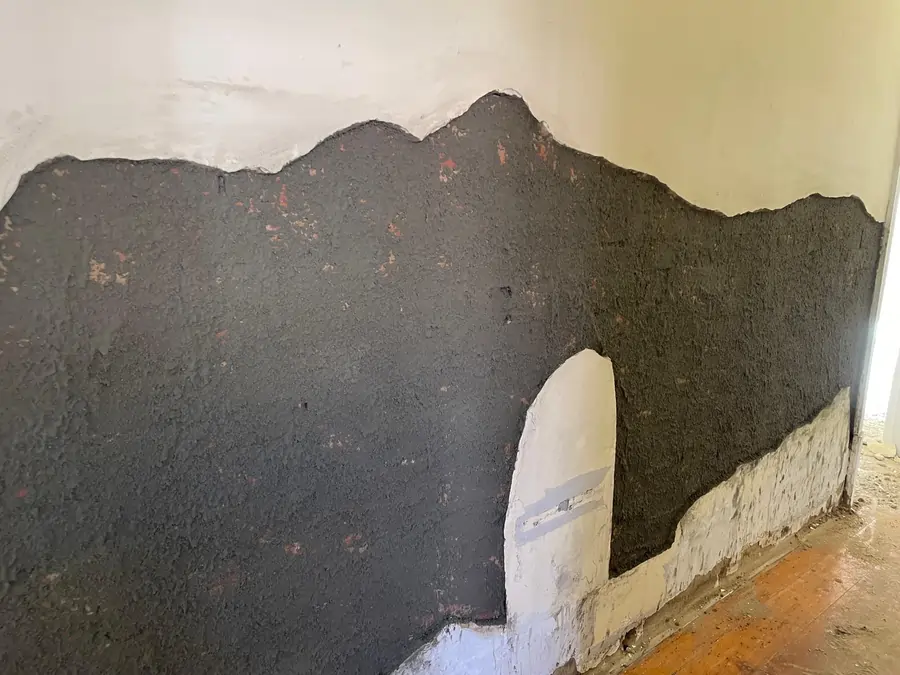
If you tap the render and it sounds hollow, the render may have separated from the wall. This is known as drummy render and may require repair or removal.
Bubbling or Blistering
Bubbling can be caused by trapped moisture, poor adhesion, coating failure or water entering behind the render.
Flaking or Peeling Paint
If the paint or coating is peeling, the render may be exposed to moisture and weather damage.
Staining or Discolouration
Stains can come from dirt, pollution, mould, algae, rust, water run-off or moisture behind the surface.
Crumbling or Soft Render
Render should feel firm. If it is soft, powdery or crumbling, the surface may be breaking down.
Mould or Algae Growth
Shaded and damp areas can develop organic growth. This does not always mean the render has failed, but it should be cleaned and monitored.
Water Damage Around Windows or Lower Walls
Moisture often enters around windows, balconies, rooflines, garden beds and lower wall sections. These areas should be checked carefully.
If you notice any of these signs, it is better to act early. Small repairs are usually easier and more cost-effective than waiting until large sections fail.
Get a Free Render Inspection and Quote Today
If you are wondering how long your existing render will last, whether your home is ready for a fresh render, or which system is right for your Melbourne property, we are here to help. We will come out, inspect your walls in person, give you straight answers about what your render needs, and provide a clear, written, obligation-free quote.
There is no pressure, no hard sell, and no charge for the inspection. Just honest advice from a Melbourne rendering team that has been doing this for more than 20 years.
Call us today: 0403 663 377 Email us: viva.rendering@yahoo.com Or use our online contact form to request your free quote, and we will be in touch within one business day.
Whether it is a small repair, a full house render or a commercial project, we look forward to helping you protect your property and add lasting value with quality rendering that stands up to Melbourne’s weather.