

How Much Does House Rendering Cost in Melbourne?
If you are planning to update the outside of your home, repair old render, improve street appeal or protect your exterior walls, one of the first questions you will probably ask is: how much does house rendering cost in Melbourne?
The honest answer is that house rendering prices can vary depending on the size of the property, the condition of the walls, the type of render, access, preparation work, the finish you choose and whether the job is for a new build, renovation or repair. As a general guide, current Australian rendering cost guides place professional house rendering commonly around $45 to $80 per square metre, while some specialist finishes can cost more. Total house rendering projects are often reported from around $12,000 for smaller homes to $35,000 or more for larger properties, depending on the full scope of work.
At Viva Rendering Melbourne, we understand that homeowners want a clear, realistic answer before making a decision. We also know that every property is different. That is why we inspect each wall, assess the existing surface, explain your options clearly and provide an obligation-free quote based on your actual project, not a rough guess.
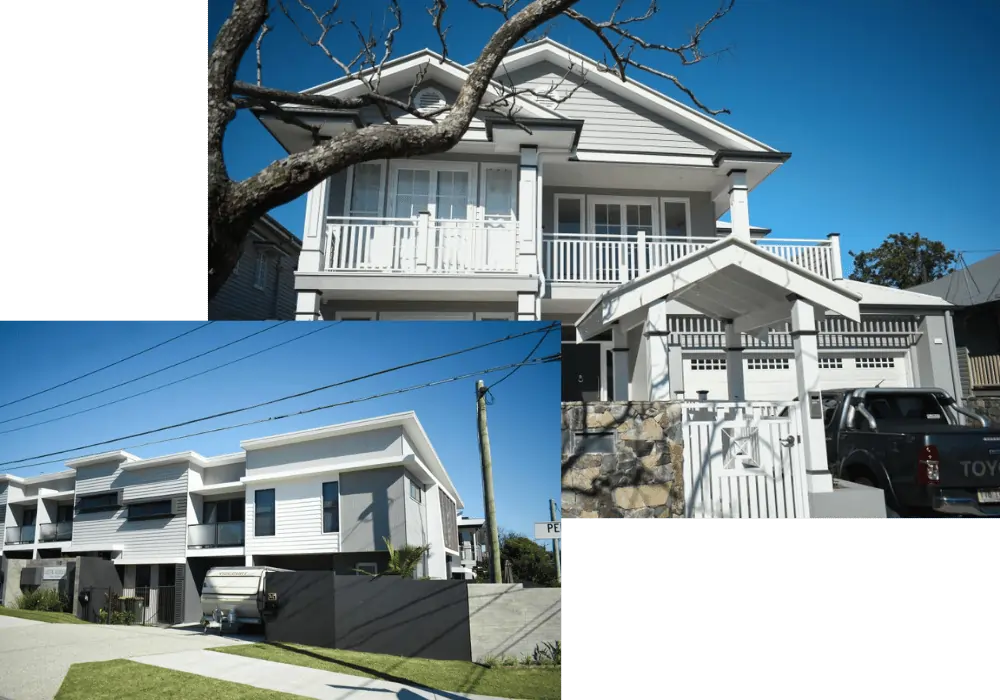
We are a Melbourne rendering and plastering company with more than 20 years of industry experience, providing residential and commercial rendering services across Melbourne and surrounding suburbs. Our services include house rendering, cement rendering, acrylic rendering, acrylic texture coatings, white set solid plastering, polished walls, Hebel rendering and render repairs.
If you would like a clear quote for your home, call us on 0403 663 377, send an enquiry through our contact form, or email viva.rendering@yahoo.com.
Quick Answer:
What Is the Average House Rendering Cost in Melbourne?
For many Melbourne homes, the cost to render a house is commonly calculated per square metre. As a broad guide, professional rendering in Australia is often listed between $30 and $80 per square metre, with acrylic render usually sitting towards the higher end because of its flexibility, durability and crack resistance.
A simple single-storey home with good access and walls in reasonable condition will generally cost less than a double-storey property that requires scaffolding, wall repairs, patching, multiple coats, or texturing or painting. Premium finishes, difficult access, detailed architectural features, and badly damaged walls can also increase the final price.
For Melbourne homeowners, a realistic guide may look like this:
| Rendering Type / Project | General Cost Guide |
|---|---|
| Cement render | Often around $30–$50+ per m² |
| Acrylic render | Often around $50–$80+ per m² |
| Specialist or insulated render systems | Can be around $100–$150+ per m² |
| Smaller house rendering projects | Often from around $12,000+ |
| Larger or double-storey homes | Can reach $35,000+ depending on scope |
These are market guide figures only. Canstar lists cement render around $30–$50 per m², acrylic render around $80 per m², and insulating render around $100–$150 per m², while other Australian cost guides show professional rendering often between $45 and $80 per m².
For an accurate price, we always recommend arranging a site inspection. At Viva Rendering Melbourne, we assess the wall condition, access, materials, finish, and preparation and repair requirements before providing a clear quote.
Why House Rendering Costs Vary So Much
Many people search for house rendering cost Melbourne expecting one simple answer. In reality, rendering is not like buying a standard product off the shelf. The final price depends on labour, material, surface condition, access, finish quality and the complexity of the job.
Two houses may look similar from the street but require very different levels of work. One property may have clean brickwork, easy access and straight walls. Another may have old cracked render, moisture damage, uneven surfaces, multiple repairs, tight side access and a two-storey elevation that requires scaffolding.
This is why a cheap per-square-metre rate can be misleading. A proper rendering quote should consider the entire job, including preparation, materials, application, finish and site clean-up.
At Viva Rendering Melbourne, we focus on providing our clients with practical advice. We do not believe in quoting unrealistic low prices just to win attention. Our goal is to deliver durable workmanship, clean finishes and reliable service, so your home not only looks better but also has a finish designed to last.
Main Factors That Affect House Rendering Cost in Melbourne
The larger the wall area, the more material, labour and time are required. A small single-fronted property will usually cost less than a large family home with multiple elevations, garage walls, side walls, retaining walls or boundary walls.
Rendering is often priced per square metre, but the total project cost also depends on details such as windows, doors, corners, trim, architectural features and difficult sections. Large, flat walls may be faster to complete, while homes with many small sections, openings and details may take longer.
Before quoting, we assess the full area that needs rendering so our clients understand what is included.
A double-storey home usually costs more to render than a single-storey home. This is because high walls require additional safety measures, longer working time and often scaffolding or elevated access equipment.
Access is a major factor in Melbourne suburbs, where homes can be close together, side pathways are narrow, or extensions have limited working space. Even if the wall area is not very large, difficult access can increase labour time.
When we inspect a property, we assess how easily each wall can be reached safely and properly. This helps us prepare a more accurate quote from the start.
The type of render you choose strongly affects the final price. The most common options include cement render, acrylic render, acrylic texture coating, Hebel render systems and specialist finishes.
Cement render is a traditional option and is often used for brick, block and masonry surfaces. It can provide a strong, clean finish when applied correctly.
Acrylic render is generally more flexible and can be suitable for a range of surfaces. It is often chosen because it can offer better crack resistance and a smoother or more decorative finish.
Acrylic texture coatings are popular for modern Melbourne homes because they can create a stylish exterior look while adding durability and weather resistance.
Hebel rendering requires the right system and preparation because Hebel surfaces need suitable products and application methods.
The cheapest render is not always the best choice. We help our clients choose the right finish based on the property, budget, wall condition and long-term result.
Preparation is one of the biggest factors in house rendering costs. If your walls are clean, stable and in good condition, the job may be more straightforward. If the surface has cracks, old render, loose material, stains, moisture issues, uneven brickwork or previous poor workmanship, more preparation will be needed.
Preparation may include:
- Cleaning the surface
- Removing loose or damaged render
- Repairing cracks
- Patching damaged areas
- Levelling uneven sections
- Applying bonding agents or primers
- Protecting nearby surfaces
- Preparing edges, corners and openings
Good preparation is essential. If the surface is not prepared properly, the render may not bond, and the finish may not last. At Viva Rendering Melbourne, we do not rush this stage because preparation directly affects the final quality.
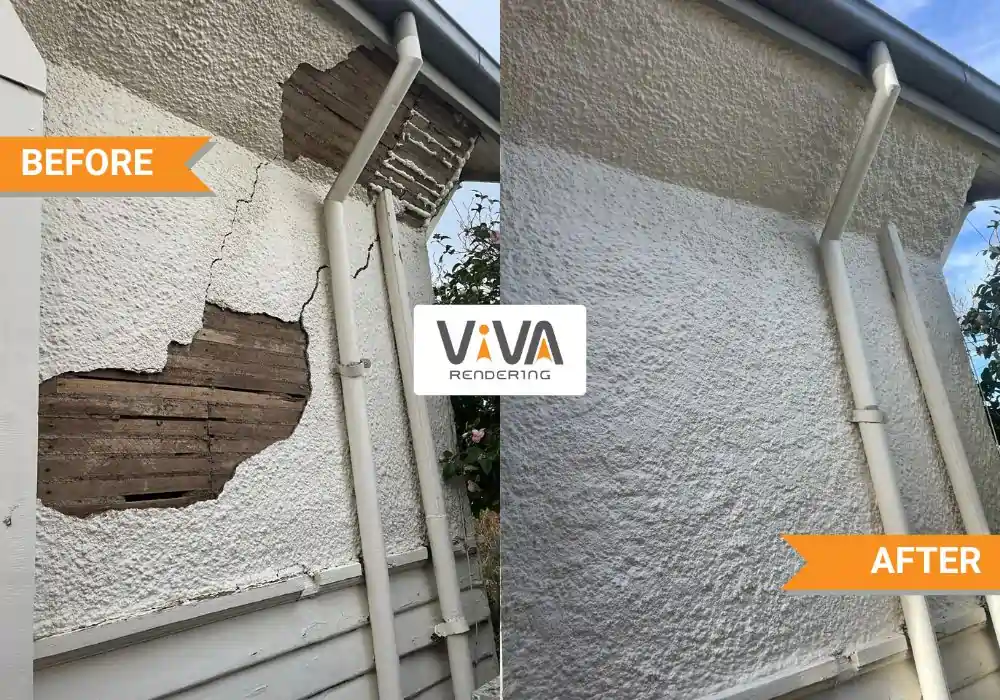
Some homes need render repairs before a new finish can be applied. Old render may have cracks, hollow sections, bubbling, flaking, impact damage or water-related issues. These areas need to be assessed and repaired properly.
If damaged render is simply covered over without fixing the underlying problem, the new finish may fail later, costing more in the long run.
Our team carefully inspects the existing surface and explains whether repair work is needed before rendering. We provide render repairs across Melbourne for homes, renovations, exterior upgrades and commercial properties.
A basic render finish will usually cost less than a decorative, highly detailed or premium texture finish. The final appearance can range from smooth and simple to textured, modern, polished or architectural.
Many Melbourne homeowners choose rendering to modernise an older brick home. A fresh render can completely transform the property’s appearance, especially when paired with updated paint colours, landscaping, windows, doors or exterior lighting.
The more detailed or premium the finish, the more skill and time it may require. We help our clients choose a finish that suits the home’s style, the local area and the overall budget.
Rendering and painting are often connected, but they are not always included in the same price. Some render systems require painting after curing, while acrylic texture coatings may include coloured finishes depending on the system.
If painting is required, the cost will depend on the paint system, number of coats, wall area, access and surface condition. Painting a rendered house in Australia is commonly estimated separately, with some guides listing exterior rendered painting around $15 to $25 per square metre, depending on the project.
When we quote your project, we can explain whether your chosen finish needs painting, coating or additional sealing.
Access impacts time and cost; easy movement speeds up work. Narrow, sloped, or blocked areas slow progress. Melbourne homes vary; inner suburbs often have tight space, while larger homes are easier to access. We evaluate during site visits to avoid surprises.
Scaffolding may be required for double-storey homes, high walls, steep blocks or difficult elevations. This can add to the overall cost, but it is often necessary for safety and quality.
Proper access allows the renderer to apply material evenly, reach all sections properly and complete detailed areas with care. Cutting corners on safety or access can affect the final result.
At Viva Rendering Melbourne, we believe proper planning is part of professional workmanship.
The location of the property can also affect pricing. Travel time, parking, access, local site conditions and project size can all play a role. We service Melbourne and surrounding suburbs, and we aim to provide clear, fair and competitive quotes based on the actual requirements of each job.
Whether your home is in inner Melbourne, the eastern suburbs, northern suburbs, western suburbs, south-eastern suburbs or nearby surrounding areas, we can assess your project and recommend the right rendering solution.
Cost Comparison: Cement Render vs Acrylic Render vs Other Options
Cement Render – The Budget-Friendly Workhorse
Traditional cement render is made from sand, cement, and lime. It’s affordable, durable, and ideal for brick, concrete block, or blueboard. We apply it in two or three coats (scratch, brown, and finish) and usually top it with exterior paint or a bagged finish..
- Per-m² cost: 45–65
- Pros: Low material cost, proven durability, can be painted any colour later
- Cons: Can develop hairline cracks over time if not applied correctly; needs painting to achieve colour
Acrylic Render and Texture Coatings – Premium, Flexible, and Stylish
Acrylic render is a polymer-modified premium coating that bonds tenaciously and stays flexible. It resists cracking far better than standard cement render. It’s applied in two or three thin coats and usually comes with the colour mixed through, eliminating the need for separate painting.
- Per-m² cost: 55–80
- Pros: Excellent crack resistance, vibrant colour range, lower maintenance, no need to paint separately
- Cons: Higher upfront cost than cement render; requires skilled applicators
At Viva Rendering Melbourne, our acrylic range includes Dulux AcraTex, Rockcote, and Unitex systems. We help you choose the right texture and colour for your home’s character.
White Set Solid Plastering – The Interior Specialist
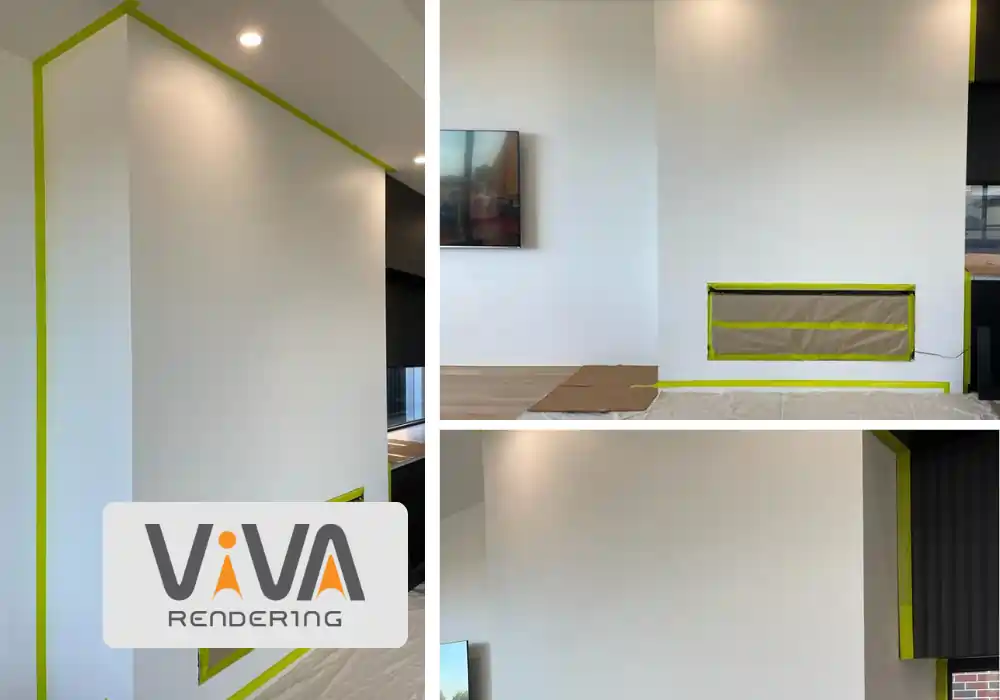
White set (solid plastering) is a smooth, glass-like interior wall finish, a timeless look often seen in period homes and luxury residences. It’s labour-intensive and requires true craftsmanship to achieve a flawless, polished surface..
- Per-m² cost: 50–85
- Pros: Stunning, high-end finish; extremely durable; can be left as a natural feature or painted
- Cons: Labour-intensive; takes longer to cure; higher cost than plasterboard
Hebel Render Systems – Modern, Energy-Efficient Cladding
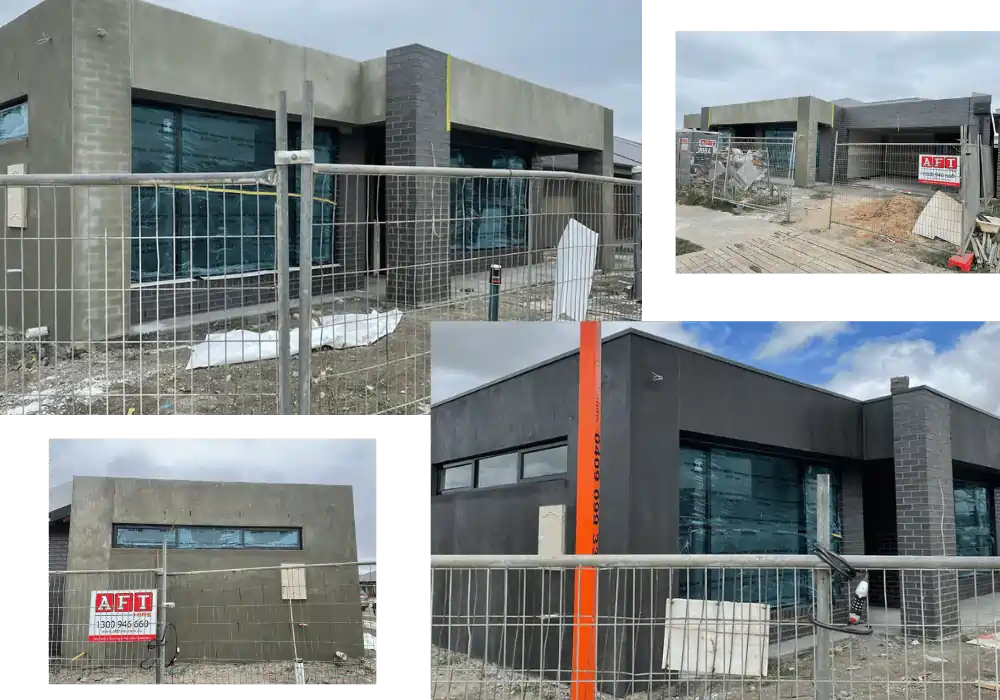
Hebel is a lightweight, aerated concrete panel. It’s installed like cladding and then coated with a specialist render system. It’s popular in new builds for its thermal and acoustic properties..
- Per-m² cost (supply & install, plus render): 120–160
- Pros: Superior insulation, fire-rated, modern finish
- Cons: Higher initial outlay; requires licensed installers
Render Repairs and Patch Work
If your existing render is cracked, hollow, or water-damaged, you may not need a full re-render. Targeted render repairs can restore your walls at a much lower cost..
- Small patch repairs: 350–800
- Crack stitching and sealing: 500–1,200
- Full wall restoration: 15–30 per m²
- Typical Melbourne render repair job: 2,000–8,000

How We Quote House Rendering in Melbourne
When you contact Viva Rendering Melbourne, we aim to make the quoting process simple and clear.
Our process generally includes:
Initial Enquiry
You can call us on 0403 663 377, submit a contact form or email viva.rendering@yahoo.com. Tell us about your property, the type of work you need and your preferred outcome.
Property Assessment
We inspect the wall area, surface condition, access, height, repair needs and finish requirements. This helps us understand the real scope of work.
Render Recommendation
We explain the suitable options for your property, such as cement render, acrylic render, acrylic texture coating, Hebel rendering or render repair.
Clear Quote
We provide a quote based on the actual job requirements. We aim to be clear about what is included so you can make an informed decision.
Professional Workmanship
Once approved, our team completes the work with care, proper preparation and attention to detail.
Common Mistakes Homeowners Make When Comparing Rendering Quotes
When comparing quotes for house rendering in Melbourne, it is important to look beyond the final price.
Common mistakes include:
Choosing the Cheapest Quote Only
The cheapest quote may not include proper preparation, quality materials, repair work, clean finishing or long-term durability.
Not Asking What Is Included
Always check whether the quote includes preparation, repairs, materials, scaffolding, texture coating, painting, clean-up and GST if applicable.
Ignoring Wall Condition
If your walls are cracked, damaged or uneven, they may need extra work before rendering.
Comparing Different Render Systems
A cement render quote and an acrylic texture coating quote may not be the same type of job. Make sure you are comparing similar systems.
Not Checking Experience
Rendering requires skill. A company with many years of experience is more likely to understand surface preparation, product selection and finish quality.
Viva Rendering Melbourne has more than 20 years of industry experience, and we take the time to explain the job properly.
Get a Free Rendering Quote in Melbourne Today
If you are ready to find out exactly what your project will cost, we would love to hear from you. We offer free, no-obligation site inspections and fixed-price quotes across Melbourne and surrounding suburbs.
Call us: 0403 663 377 Email us: viva.rendering@yahoo.com Online: Use the contact form on our website and we will get back to you the same day.
Whether you are planning a full house render, a small repair or a new build, we are here to help. Speak with a qualified Melbourne renderer today and take the guesswork out of your project.
Frequently Asked Questions - House Rendering Cost in Melbourne
Most Melbourne homeowners pay between $40 and $90 per square metre in 2026. Cement render starts at the lower end, acrylic render and texture coatings sit at the higher end. The exact figure depends on render type, surface condition and access.
A typical 4-bedroom single-storey home in Melbourne has 180 – 220 m² of external walls. Expect a total cost of around $10,000 to $18,000 for cement render, or $13,000 to $20,000 for acrylic render. A double-storey 4-bedroom home will sit between $18,000 and $30,000, including scaffolding.
Yes. Acrylic render is generally $10 to $20 per square metre more expensive than cement render. However, it does not require future painting, lasts longer, and resists cracking — so the lifetime cost can actually be lower.
In most cases, no. Standard external rendering does not change the building’s structure, so council approval is not usually required. However, heritage-listed properties and some strata-titled buildings have additional requirements. We help our clients identify and navigate any local council or owners corporation rules.
A standard single-storey home typically takes 3 to 7 working days, depending on the size, render type and weather. Acrylic render dries quickly, while cement render needs additional curing time before painting. Double-storey homes generally take 7 to 14 working days.
Yes, but only with the right system. Cement render does not adhere well to painted brick. Acrylic render with a suitable bonding primer works well. We assess the paint condition during the site inspection and recommend the safest approach.
A professionally applied render in Melbourne lasts 20 to 30 years for cement render and 25 to 40+ years for acrylic render, with proper preparation and minimal maintenance.
Yes. Rendering is widely regarded as one of the strongest return-on-investment cosmetic upgrades. The exact value depends on your suburb, the home’s existing condition and the quality of the work, but well-executed rendering consistently improves both the visual appeal and the sale price of Melbourne homes.
Yes, but weather windows matter. Render needs dry conditions to apply and cure properly. We schedule projects carefully throughout the year and use systems suited to cooler conditions when needed.
Be cautious. Suspiciously low quotes usually indicate one of three things: thin coats that fail prematurely, no surface preparation, or unlicensed labour without insurance. Always get the full scope in writing before comparing prices.